
Discover Emerging Collaboration Technology Trends
- marktildesley
- Oct 27, 2025
- 4 min read
In our fast-paced modern world, maintaining connectivity and collaborating effectively is more crucial than ever. The methods of collaboration have significantly transformed due to swift technological advancements. Whether in multinational corporations, small businesses, educational institutions, or public sector organizations, everyone gains from tools that enhance teamwork efficiency and productivity. I am thrilled to present some of the newest innovations in collaboration technology that are influencing the future of work and education.
Embracing the Latest Collaboration Tech Innovations
Technology is transforming how we communicate and collaborate. The latest collaboration tech innovations focus on creating seamless, integrated experiences that bring people together regardless of location. These tools are designed to enhance productivity, foster creativity, and simplify complex workflows.
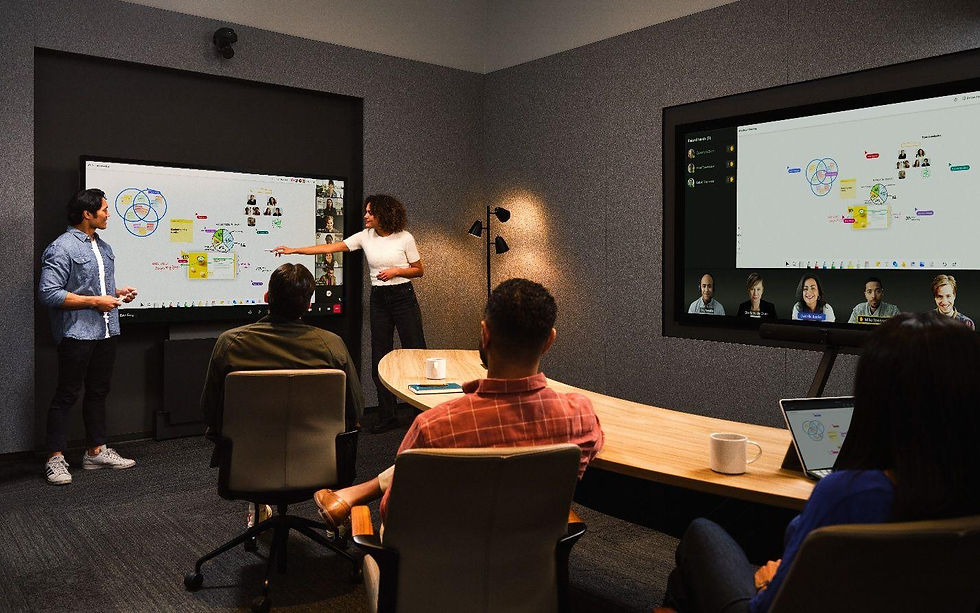
For example, cloud-based platforms now allow teams to work on documents simultaneously, with real-time updates and version control. Video conferencing solutions have become more immersive, offering features like virtual backgrounds, breakout rooms, and AI-driven noise cancellation. Smart whiteboards and interactive displays enable dynamic brainstorming sessions, even when participants are miles apart.
These innovations are not just about adding new features; they are about creating environments where collaboration feels natural and effortless. By adopting these technologies, organisations can break down barriers and empower their teams to achieve more.

What kind of technology has increased collaboration?
Several types of technology have played a crucial role in boosting collaboration across sectors. Here are some key examples:
Unified Communication Platforms
Tools like Microsoft Teams, Slack, and Zoom combine messaging, video calls, file sharing, and task management into one platform. This integration reduces the need to switch between apps and keeps conversations organised.
Cloud Storage and File Sharing
Services such as Google Drive, Dropbox, and OneDrive allow teams to store, access, and edit files from anywhere. This flexibility supports remote work and ensures everyone has the latest information.
Project Management Software
Platforms like Asana, Trello, and Monday.com help teams plan, track, and manage projects efficiently. Visual boards, timelines, and automated reminders keep everyone aligned and accountable.
Artificial Intelligence (AI) and Automation
AI-powered tools can automate routine tasks, analyse data, and provide insights. For example, AI can summarise meeting notes, suggest next steps, or even schedule appointments, freeing up time for more strategic work.
Augmented Reality (AR) and Virtual Reality (VR)
AR and VR create immersive environments for training, design collaboration, and virtual meetings. These technologies make remote interactions feel more engaging and realistic.
By integrating these technologies, organisations can create a collaborative culture that drives innovation and success.

How to Choose the Right Collaboration Tools for Your Organisation
Selecting the right collaboration technology can be overwhelming given the vast options available. Here’s a simple approach to help you make the best choice:
Assess Your Needs
Identify the specific challenges your teams face. Do you need better communication, project tracking, or document management? Understanding your pain points guides your selection.
Consider Integration
Choose tools that work well with your existing systems. Seamless integration reduces friction and improves adoption.
Prioritise User Experience
Tools should be intuitive and easy to use. Complex platforms can discourage use and reduce productivity.
Evaluate Security
Ensure the technology complies with data protection regulations and offers robust security features to protect sensitive information.
Plan for Scalability
Select solutions that can grow with your organisation, accommodating more users and features as needed.
Test Before Committing
Many providers offer free trials or demos. Use these opportunities to gather feedback from your teams and assess how well the tools fit your workflows.
By following these steps, you can confidently invest in collaboration technology that delivers real value.
The Role of Collaboration Technology in Hybrid Work Environments
Hybrid work models, combining remote and in-office work, are becoming the norm. Collaboration technology plays a vital role in making this transition successful. It bridges the gap between physical and virtual spaces, ensuring everyone stays connected and productive.
For instance, smart meeting rooms equipped with high-quality audio-visual systems allow remote participants to feel fully included. Interactive displays and wireless sharing make presentations and discussions more engaging. Meanwhile, cloud-based platforms enable asynchronous collaboration, so team members can contribute on their own schedules.
These technologies also support inclusivity by accommodating different working styles and preferences. They help maintain team cohesion and morale, even when people are dispersed across multiple locations.
Investing in the right collaboration tools is essential for organisations embracing hybrid work. It ensures that distance does not dilute teamwork or innovation.
Future Outlook: What’s Next in Collaboration Technology?
The future of collaboration technology is bright and full of exciting possibilities. Here are some trends to watch:
AI-Driven Collaboration
AI will become more embedded in collaboration tools, offering smarter assistance, predictive analytics, and personalised experiences.
Enhanced Mobility
Mobile-first collaboration apps will continue to improve, enabling seamless work from any device, anywhere.
Greater Focus on Wellbeing
Technologies will incorporate features to support mental health and work-life balance, such as stress monitoring and mindful breaks.
Sustainability and Green Tech
Collaboration solutions will increasingly prioritise energy efficiency and eco-friendly practices.
Deeper Integration of AR and VR
These immersive technologies will expand beyond training and meetings to include virtual offices and social collaboration spaces.
Staying ahead of these trends will help organisations remain competitive and agile in a rapidly changing world.
Exploring the latest collaboration tech innovations reveals a world of opportunities to enhance teamwork and productivity. By embracing these tools thoughtfully, organisations can create environments where ideas flow freely, decisions are made faster, and goals are achieved together. If you want to learn more about how to transform your workspace with cutting-edge solutions, check out collaboration technology trends. The future of collaboration is here - are you ready to join it?


Comments